
Medicine Spotlight: Ayahuasca
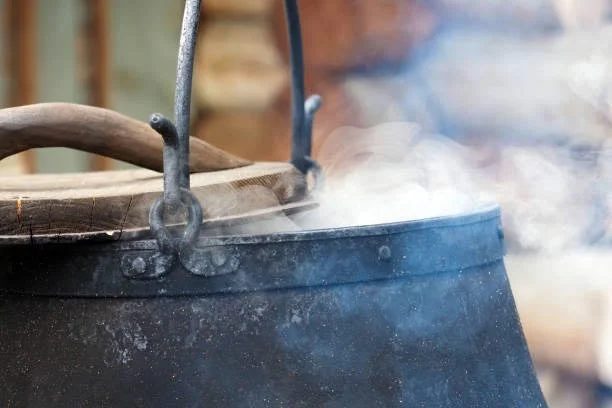
A ceremonial medicine from the Amazon
Ayahuasca has become one of the most widely discussed traditional medicines in the global conversation about psychedelic healing. Stories circulate about profound emotional breakthroughs, encounters with symbolic visions, and experiences that leave people feeling deeply connected to nature or to something larger than themselves.
Yet behind these stories is a practice that is both older and more structured than many people realize. Ayahuasca is not simply a substance. It is part of a ceremonial tradition that has been practiced for generations by Indigenous communities in the Amazon basin. Understanding what it is and how it is typically used helps bring clarity to why many people describe the experience as powerful, challenging, and meaningful.
What Ayahuasca Is
Ayahuasca is a brew traditionally prepared from two primary plants found in the Amazon rainforest:
Banisteriopsis caapi, a vine often referred to as the ayahuasca vine
Psychotria viridis, a leaf that contains the psychedelic compound DMT (dimethyltryptamine)
When combined, these plants create a unique pharmacological interaction. The vine contains compounds known as harmala alkaloids, which act as MAO inhibitors and temporarily slow the body’s ability to break down DMT in the digestive system. This allows the DMT in the leaves to become active in the brain when the brew is consumed.
The result is an altered state that lasts four to six hours, characterized by changes in perception, emotional processing, and self-reflection. In many traditional contexts, ayahuasca is referred to not simply as a drug, but as a medicine or teacher.
The Structure of a Typical Ayahuasca Ceremony
Ayahuasca is traditionally consumed within a guided ceremonial setting.
While practices vary between traditions and retreat centers, many ceremonies share several common elements. Participants typically gather in a quiet ceremonial space, often at night. A facilitator—sometimes called a shaman, curandero, or guide—leads the experience.
The brew is served in small cups, and participants are encouraged to sit or lie quietly as the experience unfolds. Music often plays an important role. In many traditions, the guide sings icaros, ceremonial songs believed to help guide the experience.
Participants are encouraged to turn inward, often with eyes closed, and allow the experience to unfold. Ayahuasca ceremonies often emphasize emotional processing and introspection rather than external stimulation. Many ceremonies last several hours before participants gradually return to ordinary awareness. Physical purging—vomiting or releasing tension—is sometimes part of the experience. In traditional contexts, this is often interpreted as a form of cleansing or emotional release.
Safety, Screening, and Preparation
Although many people describe meaningful experiences with ayahuasca, responsible facilitators approach the medicine with care and preparation.
Because the brew contains naturally occurring MAO-inhibiting compounds, it can interact with certain medications—particularly antidepressants such as SSRIs and other drugs that affect serotonin. For this reason, people taking serotonergic medications are generally advised not to drink ayahuasca unless those medications have been safely discontinued under medical supervision.
Certain health conditions are also commonly considered contraindications. Individuals with a personal or family history of psychotic disorders, bipolar disorder with manic episodes, or certain cardiovascular conditions are typically advised not to participate in ceremonies. These precautions reflect a principle that appears consistently in modern psychedelic research as well as traditional practice: screening and preparation are essential for safety.
Dosing with ayahuasca is also handled differently than with substances such as psilocybin mushrooms. Because the brew is prepared from plants whose potency can vary, doses are usually measured in small cups of the tea rather than exact milligrams. Participants often receive a moderate first serving and may be offered a smaller additional cup later in the ceremony, depending on how the experience unfolds. The emphasis is less on achieving a precise dose and more on attentive guidance within a carefully held setting.
Why the Ceremonial Group Context Matters
Ayahuasca is often discussed in terms of its pharmacology, but traditional practice emphasizes something equally important: the communal setting in which the experience occurs.
Ceremonies typically take place in groups, with participants gathered together in a shared space while a guide leads the experience. At first glance, this might seem like a simple logistical choice. In reality, it shapes the experience in several important ways.
Humans are highly responsive to social environments. When people feel safe and supported by those around them, the nervous system tends to shift out of vigilance and into a more receptive state. Psychologists often refer to this process as co-regulation.
In a ceremonial setting, participants are not navigating the experience alone. The presence of others—combined with music, ritual structure, and the guidance of an experienced facilitator—creates a shared atmosphere that can support emotional openness.
Participants often report that the group setting helps them feel:
Less alone in their struggles
More willing to face difficult emotions
more connected to others afterward
Many ceremonies conclude with opportunities for participants to speak about what they experienced or simply sit together in reflection. These moments can help translate intensely personal experiences into something that feels human and shared rather than isolating.
In this way, the group itself becomes part of the therapeutic environment. The medicine may opent he door to insight, but the communal container can help people feel safe enough to walk through it.
What People Often Experience
Experiences with ayahuasca vary widely from person to person. Some participants report vivid visual imagery, including symbolic scenes, animals, landscapes, or geometric patterns. Others describe deeply emotional experiences where memories or insights become accessible.
A few themes appear repeatedly in participant reports. Many people describe confronting emotional material they had previously avoided—grief, unresolved conflict, or patterns of self-criticism. Others describe moments of connection. They may feel connected to nature, to loved ones, or to something they interpret as spiritual or sacred.
Researchers sometimes refer to these as mystical-type experiences, characterized by feelings of unity, meaning, and transcendence of ordinary time and space. Participants also frequently describe emotional breakthroughs. Long-held grief may become accessible. Self-criticism softens into compassion. Memories can be revisited from a wider and more forgiving perspective.
For some participants, the experience is quieter. Instead of dramatic visions, there may simply be a sense of spaciousness or emotional relief—a moment where the mind loosens its grip on familiar narratives. What many participants describe most consistently is a shift in perspective—the feeling of briefly seeing their life from outside the mental patterns that normally define it.
Like other classic psychedelics, ayahuasca also appears to temporarily increase neuroplasticity—the brain’s ability to reorganize patterns of thought and perception. Research suggests that compounds in the brew activate serotonin receptors associated with neural flexibility and may increase growth factors that support new neural connections. For a period after this experience, many participants report feeling unusually open to reflection and change. This is one reason integration practices are often emphasized, as the days following a ceremony may offer a window for translating insight into lasting shifts in perspective or behavior.
The Importance of Integration
For many participants, the most important work happens after the ceremony. Experience during ayahuasca sessions can be vivid and emotionally powerful. Without reflection and integration, the meaning of those experiences can remain unclear. Integration often involves conversation, journaling, creative expression, or small changes in daily life that reflect what was learned. Rather than viewing the ceremony as the solution itself, many practitioners describe it as an opening—a moment where the mind becomes more flexible and new perspectives can emerge. The work afterward helps translate those insights into everyday life.
As modern science continues studying psychedelic medicines, one lesson appears again and again: Transformation rarely comes from the substance alone. It emerges from the interaction between the experience, the environment in which it occurs, and the reflection that follows.
Selected References
Frecska, E., Bokor, P., & Winkelman, M. (2016). The therapeutic potentials of ayahuasca: Possible effects against various diseases of civilization. Frontiers in Pharmacology.
Ruffell, S. G. D., et al. (2021). Ceremonial ayahuasca use and mental health outcomes. Frontiers in Psychiatry.
Palhano-Fontes, F., et al. (2019). Rapid antidepressant effects of the psychedelic ayahuasca in treatment-resistant depression. Psychological Medicine.
Timmermann, C., et al. (2019). Neural correlates of the DMT experience assessed with multivariate EEG. Scientific Reports.
Carhart-Harris, R. L., & Friston, K. J. (2019). REBUS and the Anarchic Brain: Toward a Unified Model of the Brain Action of Psychedelics. Pharmacological Reviews.
