
The Power of Belonging: Why Community Expands the Healing Experience
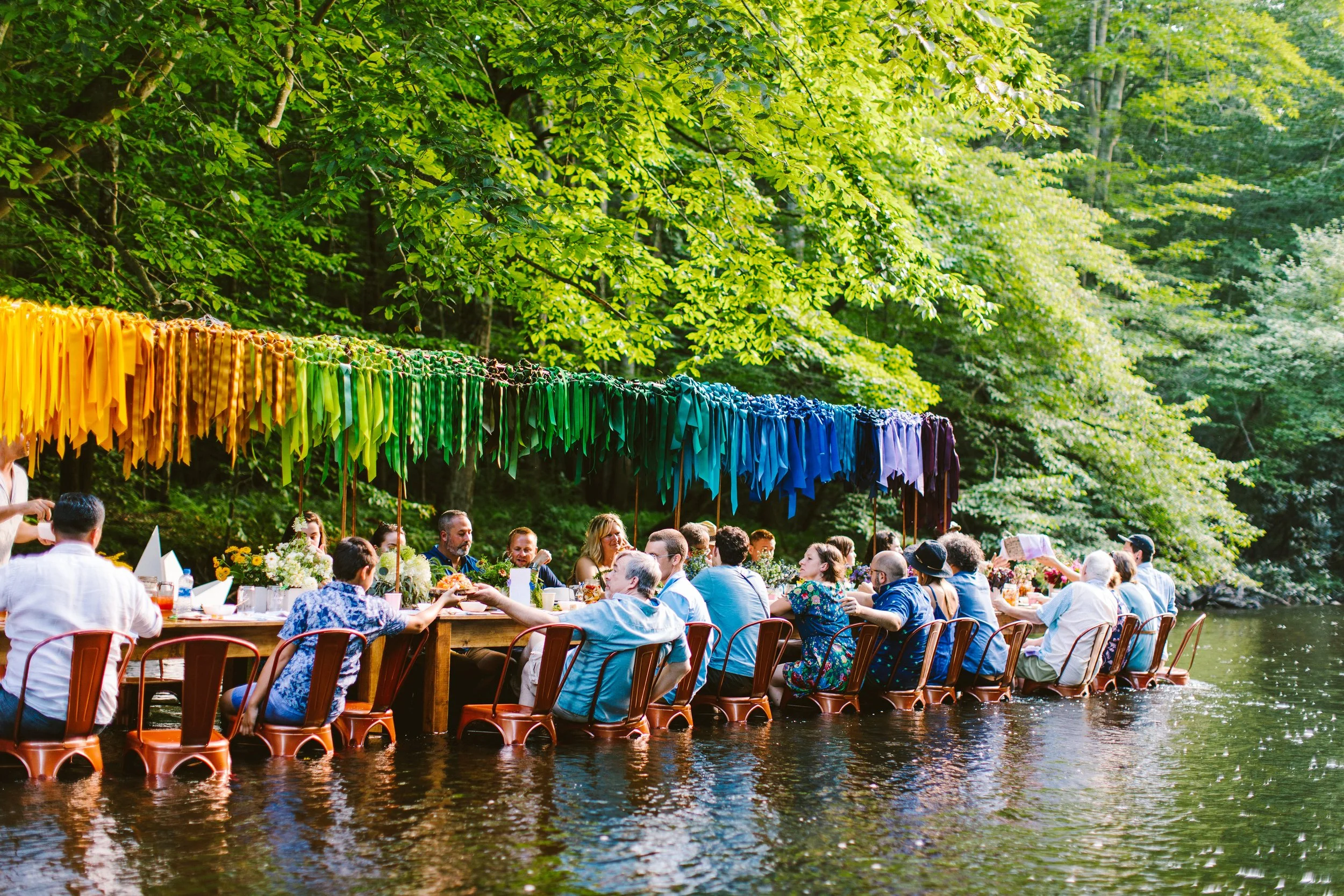
Healing is often described as an inward journey, yet something profound happens when that inner work is held inside a community.
Belonging doesn’t replace the personal work.
It expands it.
In a world that glorifies self-sufficiency and independence, the truth is both simple and ancient:
We heal more fully when we heal together.
Why Belonging Matters to the Nervous System
Long before human psychology gave us the language for co-regulation, our bodies understood it.
Humans are wired for connection.
Our nervous systems look for safety cues in the presence of others.
When we feel:
Welcomed
Seen
Included
Accepted
Met with warmth…
…the body shifts out of vigilance and into openness.
This state is where insight, emotional release, curiosity, and creativity become possible.
Belonging is not sentimental.
It is biological.
The Science of Co-Regulation
Co-regulation is the quiet dance of nervous systems influencing each other.
It’s the softness you feel when someone listens without judgement.
It’s the grounding that arrives when you’re not carrying a moment alone.
When we sit in community:
Breath slows
Muscles unclench
Emotional bandwidth increases
The brain becomes more receptive
The heart becomes less defended
This is why people often say things like:
”I didn’t realize how tense I’d been until I was with this group.”
Safety doesn’t come from silence.
It comes from connection.
The Magic of Shared Experience
There is something ancient and comforting about sitting with others who are on their own path.
Even when everyone’s story is different, the presence of community creates a subtle message:
“We are all becoming. You are not alone in the unfolding.”
People often describe feeling:
Braver
Softer
Less ashamed of their struggle
More honest with themselves
More hopeful about what comes next
Community reminds us that transformation is not an accident.
It’s a human inheritance.
Why We Need Each Other in the Hard Moments
When someone is navigating grief, change, or inner exploration, isolation often becomes a coping strategy.
But isolation also reduces emotional capacity.
Being with others can create:
A buffer during overwhelming emotions
A feeling that says, “I can survive this.”
Acecss to different perspectives
Validation that helps integrate difficult material
A reminder of our own resilience
In community, the nervous system learns:
“I don’t have to handle this alone.”
That is a lesson that reshapes everything.
The Inner Grove Collective
and the Forest Model of Belonging
The Inner Grove Metaphor is more than poetic.
It is a biological truth.
Forests thrive, not because each tree stands alone, but because the hidden network beneath the soil—the mycorrhizal web—allows trees to share resources, send signals, and support one another during stress.
Belonging works the same way.
We don’t heal because someone else takes our pain away.
We heal because the network holds us while we do the inner work.
In a Magic Night, the group is not background noise.
It is a living system of support, resonance, and intelligence.
A Moment When Belonging Changes Everything
After a journey, someone may enter integration feeling unsure about what they experienced.
Maybe a memory surfaced.
Maybe they touched grief they’ve avoided.
Maybe they felt joy they didn’t trust.
When they bring their story into community—
into a shared meal, a soft circle, or a simple moment of reflection—
someone nods.
Someone smiles.
Someone says, “I felt something like that, too.”
And suddenly, the experience is not overwhelming.
It is understandable.
It is human.
A new story begins:
”I’m not strange for feeling this. I’m human.”
Community Heals with Us
Belonging doesn’t remove the need for personal responsibility.
It deepens our capacity to meet it.
Belonging creates:
Courage
Clarity
Compassion
Direction
Resilience
Permission to try again
Insight becomes easier to hold.
Change becomes easier to sustain.
Life becomes easier to walk into with openness.
We become more ourselves in the presence of others who are doing the same.
