
MDMA-Assisted Therapy: What It Teaches Us about Fear, Trust, and Repair

MDMA is not a classic psychedelic.
It doesn’t alter perception in the same way psilocybin does, and it doesn’t create distance the way ketamine does.
Instead, MDMA opens a different door:
the ability to meet your inner world without fear.
For people carrying trauma, shame, or old wounds inside the nervous system, this can be life-changing.
Where other medicines widen perspective, MDMA often softens the heart…
…and it does this through a remarkably well-studied set of neurobiological mechanisms.
What MDMA Does in the Brain
MDMA affects several systems at once—serotonin, dopamine, norepinephrine—but its most distinctive action involves fear, trust, and self-compassion.
Here are the core mechanisms:
1. MDMA Reduces Fear Responses
MDMA decreases activity in the amygdala, the brain’s alarm center.
This means memories that would normally trigger panic, shutdown, or dissociation become approachable.
People often say:
“I could look at the hard thing without collapsing.”
“It didn’t feel dangerous anymore.”
This effect is one reason MDMA-assisted therapy is being evaluated for PTSD.
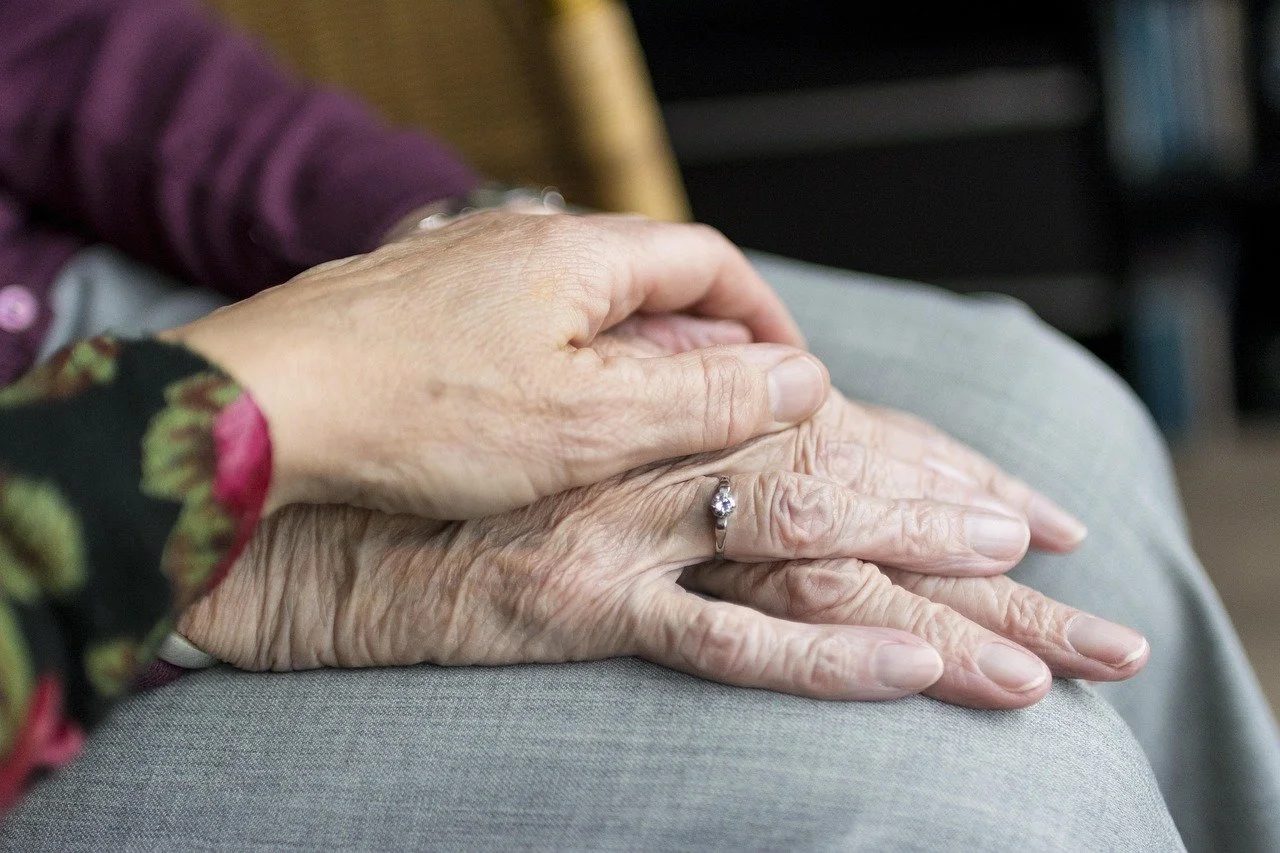
2. MDMA Increases Feelings of Trust, Warmth, and Connection
MDMA significantly increases oxytocin, the hormone tied to bonding and co-regulation.
This doesn’t create artificial trust.
It enhances the body’s capacity for trust.
The therapeutic significance is enormous:
People who have never felt safe expressing emotion can suddenly do so.
3. MDMA Strengthens New Emotional Associations
MDMA allows people to revisit painful memories while experiencing new, protective emotional states.
This means the memory stays—the terror does not.
This rewriting is called memory reconsolidation, one of the brain’s most powerful healing processes.
4. MDMA Increases Self-Compassion
MDMA decreases activity in brain networks associated with self-criticism and increases activity in the networks associated with empathy.
People often feel tenderness toward themselves for the first time in years.
What MDMA Feels Like
Common descriptions:
Warm
Connected
Open
Tender
Courageous
Emotionally clear
Safe
If often feels as if the body is finally convinced it can survive the emotions it has avoided.

When a New Story Appears
Imagine someone who carries the belief:
“I am unlovable.”
During MDMA therapy, they may revisit painful memories—but instead of fear, they feel warmth.
Instead of shame, they feel compassion.
Instead of tightening, they soften.
They may see their younger self and feel a truth rise in the body:
“You deserved so much more care than you received.”
During integration, this becomes:
“I am worthy of the tenderness I’ve always offered others.”
MDMA does not erase pain.
It creates the conditions for repair.
Why MDMA Is Powerful for Trauma and Relational Healing
Research shows that MDMA is especially supportive for:
PTSD
Childhood emotional neglect
Attachment trauma
Relationship wounds
Shame-centered self-beliefs
Fear of closeness or vulnerability
Difficult trusting others
Chronic self-protection
MAPS Phase 3 trials (2021) found that 67% of participants no longer met criteria for PTSD after MDMA-assisted therapy.
Not because MDMA “cures” trauma—
because it allows people to revisit trauma safely, with a different emotional foundation.
In other words:
MDMA brings the body into the conditions where real healing becomes possible.
Why Ceremony and Setting Matter for MDMA
MDMA is deeply relational.
It amplifies sensitivity, honesty, and connection.
This means the container is everything.
In recreational environments (eg, parties, chaotic settings), MDMA can increase:
Emotional vulnerability
Confusion
Overwhelm
Interpersonal misreads
But in regulated, supportive environments, MDMA can increase
Courage
Truth-telling
Self-compassion
The ability to process long-held pain
Emotional intimacy
Relational repair
The medicine opens your heart.
The container protects it.
Further Reading
1. MDMA-Assisted Psychotherapy for PTSD
Mithoefer et al., Journal of Psychopharmacology
Phase 2 & 3 MAPS trials showing dramatic symptom reduction and durable outcomes.
2. Effects of MDMA on Social and Emotional Processing
Carhart-Harris et al., Neuropsychopharmacology, 2014
Explains self-compassion, empathy, and reduced defensiveness.
3. Oxytocin Release After MDMA Administration
Dumont et al., Biological Psychiatry, 2009
Foundational study on trust and bonding mechanisms.
4. MDMA Reduces Amygdala Response to Fear
Gamma et al., J. Neuroscience, 2015
Explains why MDMA allows people to revisit traumatic memories safely.
5. MDMA and Memory Reconsolidation
Feduccia et al., Psychopharmacology, 2022
Shows how MDMA helps create new emotional associations with old memories.
